Construction Plant Training & Safety: What’s Changing in Northern Ireland in Early 2026
Jan 29, 2026
The construction industry in Northern Ireland is experiencing a period of growth, skills focus and renewed attention on safety and training as we move into 2026. Recent data shows the sector’s output reached a 15-year high in 2025, outperforming the rest of the UK, reflecting strong activity in repairs, maintenance and housing output — all of which rely heavily on competent plant and machinery operators. 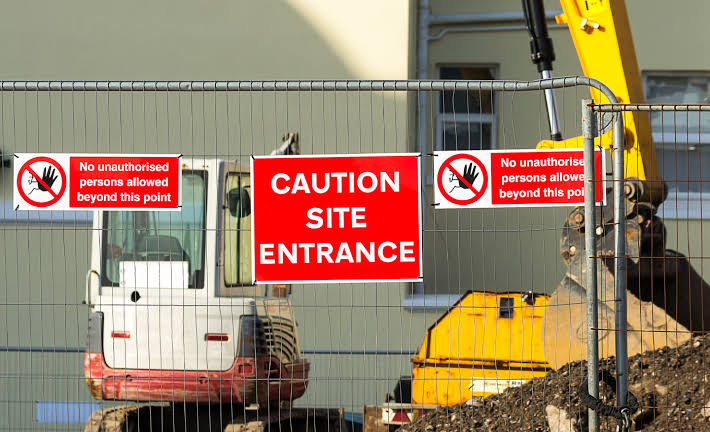
With this surge in activity comes a responsibility for employers, supervisors and operators to ensure plant training and safety standards are not only maintained but actively improved. This blog unpacks current trends in plant training, highlights safety initiatives and explains why professional training remains a cornerstone of compliance and workforce effectiveness.
1. Industry Momentum and the Need for Competent Plant Operators
The construction sector’s recent performance surge in Northern Ireland means there are more sites, more machinery movements, and more people working in close proximity to heavy equipment. With increased activity comes increased risk, a fact underscored by historical accident statistics showing construction remains one of the highest-risk industries locally, with a significant number of serious injuries and fatalities recorded over the past decade.
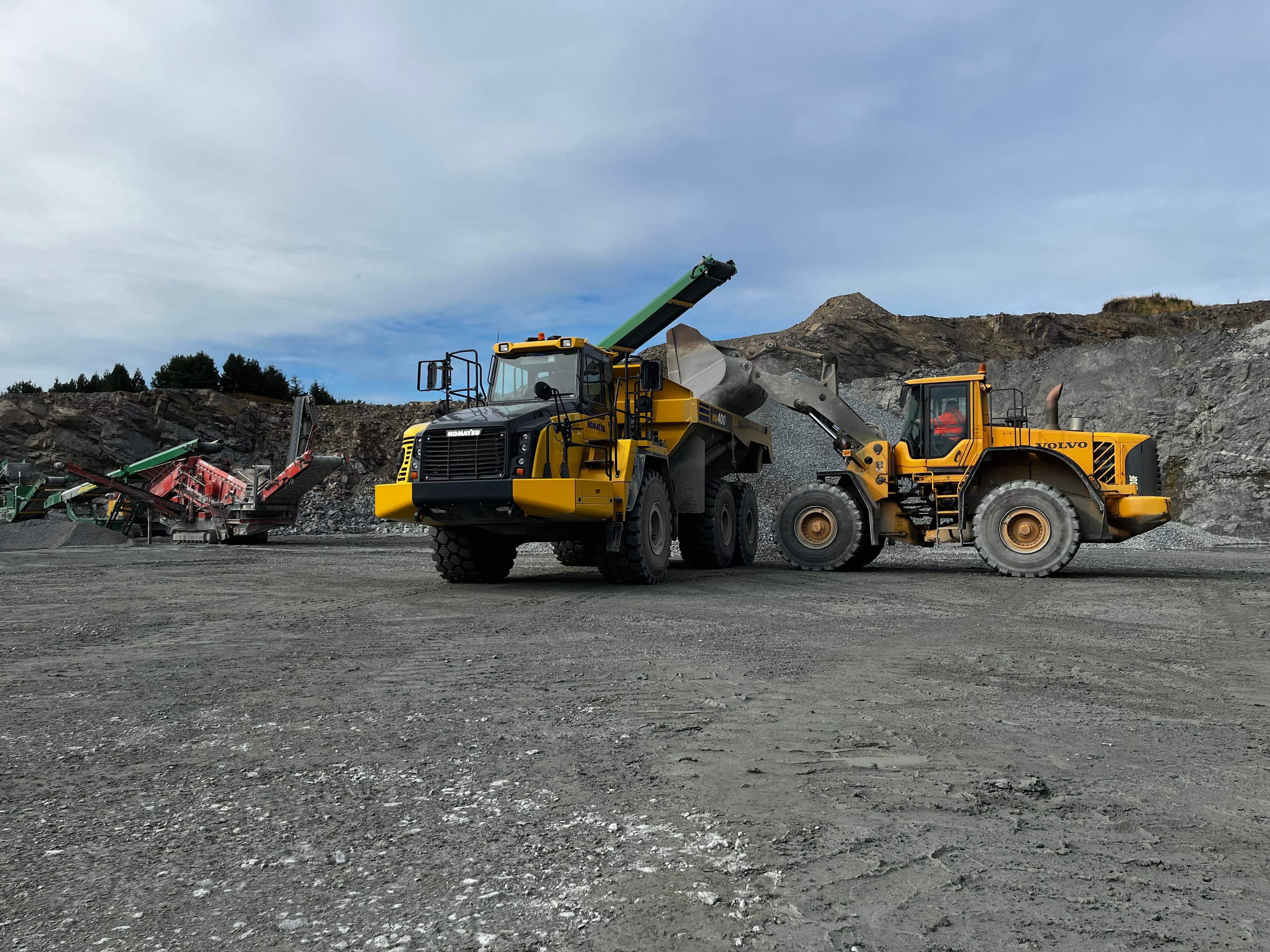
Plant training ensures operators understand not just machine controls, but site integration, how excavators, dumpers, telehandlers and other plant interact with site logistics, workers, pedestrians and traffic. Training helps operators anticipate hazards, operate safely around others and understand machine limitations in busy environments.
If a project’s scale or pace accelerates without a corresponding rise in operator competence, risk increases. A well-trained operator contributes not just to safer sites but to smoother workflows and reduced downtime — both of which boost productivity in a competitive industry.
2. The Role of Safety Initiatives & Digital Tools in 2026
Across the construction landscape, safety initiatives are gaining traction. One standout industry programme, #SafetyReboot2026, has been promoted by the Construction Employers Federation. It encourages site teams to dedicate short weekly safety discussions to key risks, including plant and mobile equipment, to kick-start the year with refreshed focus and engagement.
Topics like working at height, mental health and equipment safety are part of this initiative, reinforcing that training isn’t a one-off task but a continuous process. These discussions help reinforce safe behaviour, reduce complacency after holidays, and build a culture where operators feel empowered to address hazards.
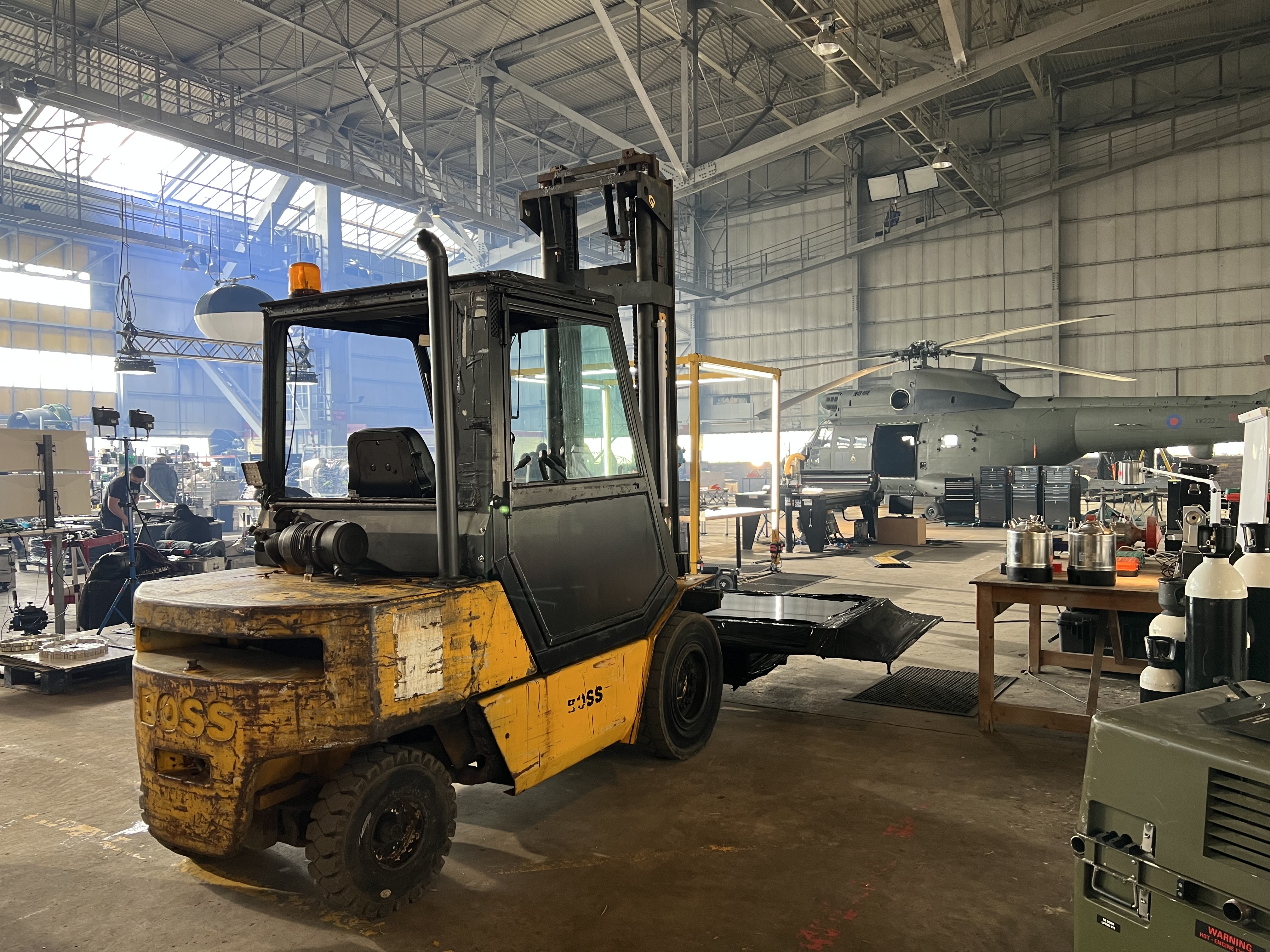
Digital induction tools are also transforming how safety training and compliance are managed on site. Platforms that allow workers to complete site inductions, upload certifications and track expirations from mobile devices are increasingly being used to streamline onboarding and ensure everyone arrives fully compliant and ready to work.
3. Accredited Plant Training: What Employers Should Know
A core component of plant competence is the accreditation route an operator takes. Schemes like NPORS, IPAF and plant modules recognised by the Construction Skills Certification Scheme (CSCS) are commonly required by major contractors before workers can begin operating plant on site.
Accredited training covers both theory and practical competency, tailored to specific equipment such as excavators, telescopic handlers, dumpers and more. These courses give operators validated proof of competence, helping employers demonstrate compliance with health and safety legislation and large contractors meet client expectations.
In regions where activity is high and deadlines are tight, experienced and accredited operators offer measurable value — fewer interruptions, cleaner audits and less remedial training. This is especially important given the current economic performance and demand for construction output. 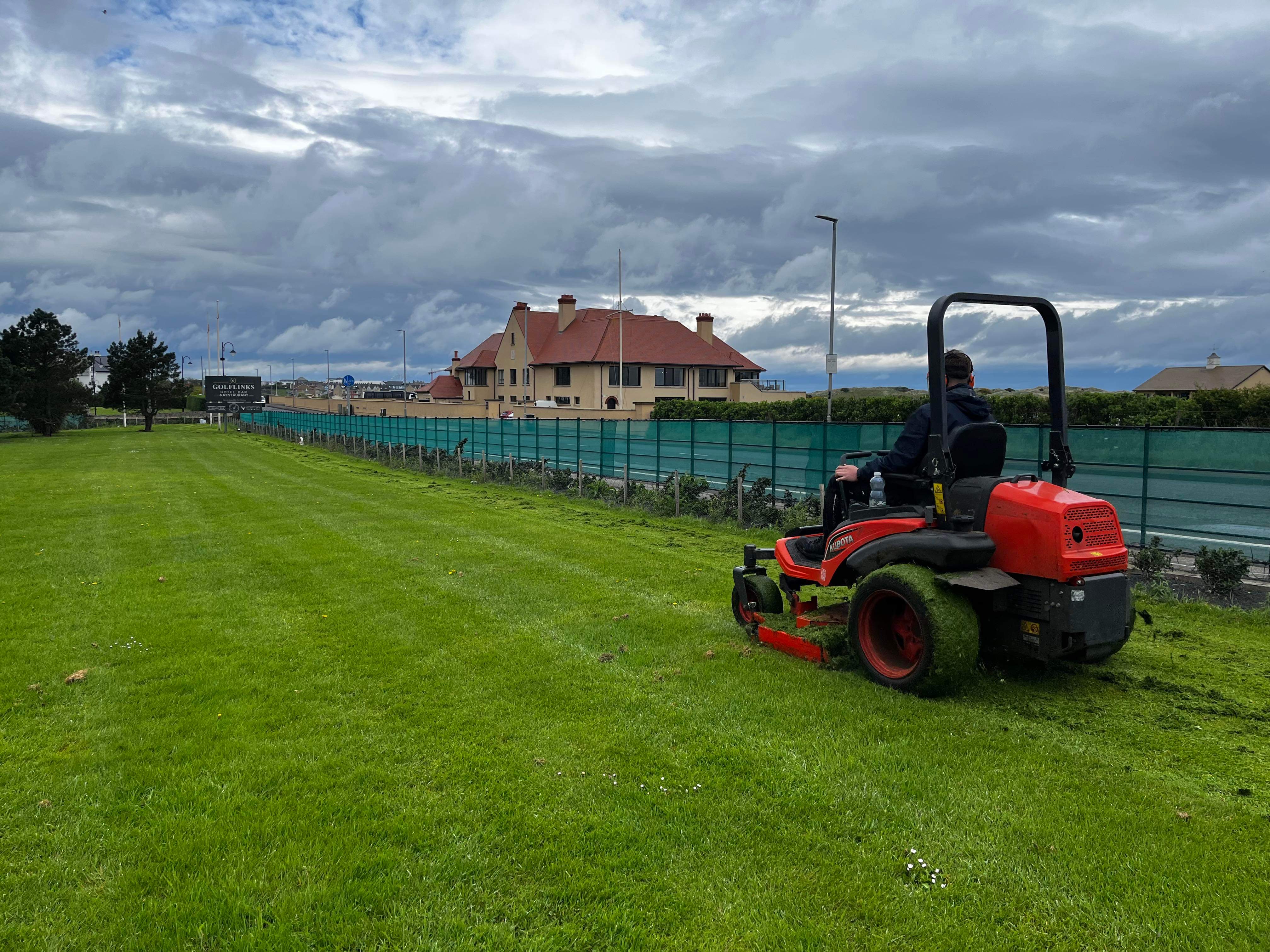
4. Apprenticeships and Career Pathways in Plant Maintenance and Operation
Beyond certified plant operator courses, there’s also growing emphasis on structured apprenticeships that blend theory, practical skill and industry experience. For example, Level 2 apprenticeships in construction plant maintenance provide hands-on training in maintaining and repairing heavy machinery, offering a pathway into roles that support both operation and equipment uptime.
These programmes are particularly valuable in a busy construction environment where machinery reliability is integral to project momentum. Operators who understand both how to use and how to maintain equipment are in high demand, and apprenticeships that combine earning while learning help address skill shortages while developing strong loyalty to employers.
Conclusion
Construction plant training in Northern Ireland in 2026 is about more than just ticking a compliance box — it’s a strategic investment in safety, efficiency and workforce capability. With industry output at historic highs and initiatives like Safety Reboot gaining industry support, employers and operators alike need to prioritise current training standards, accredited qualifications and continuous learning.
Whether you are planning plant training for new recruits or refresher training for existing operators, aligning your approach with accredited standards, safety conversations and digital compliance tools will help you stay ahead of risk while supporting workforce development.
Sandy Arthur Training Services is here to support plant operators and employers with up-to-date, accredited training solutions tailored to the needs of Northern Ireland’s busy construction sector.