Construction Plant Training: Why Competence Matters More Than Ever in 2026
Jan 22, 2026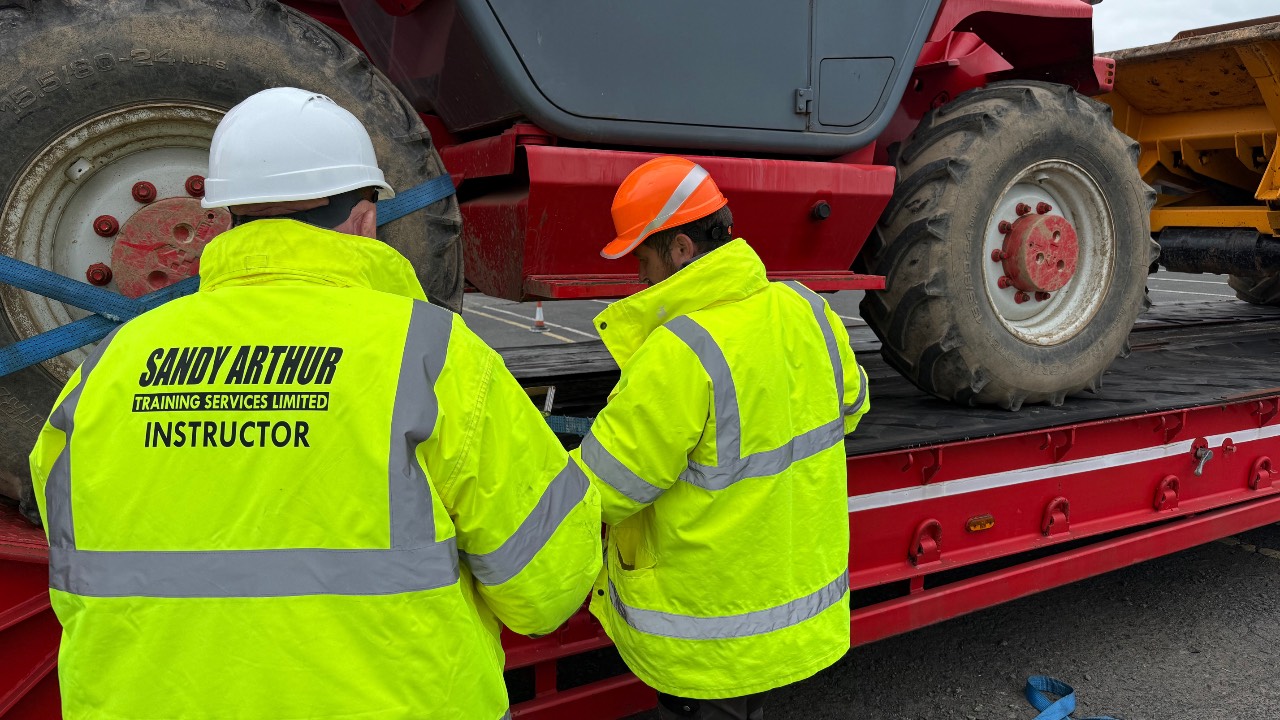
Construction sites across Northern Ireland continue to evolve, with increasing pressure on programmes, tighter margins and greater scrutiny around health and safety. At the centre of many site operations is construction plant — excavators, dumpers, telehandlers, rollers and other machinery that, when used correctly, drive productivity, but when misused, present significant risk. In 2026, plant training is no longer viewed as a tick-box exercise. It is a core requirement for safety, compliance and professional site management.
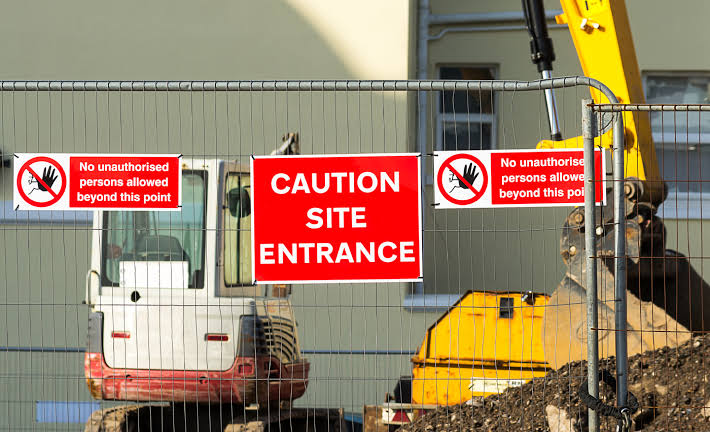
Every year, incidents involving construction plant result in serious injuries, costly damage and enforcement action. In many cases, investigations highlight inadequate training, poor supervision or operators working outside the limits of their competence. This is why structured, accredited plant training remains one of the most effective ways of reducing risk on site and demonstrating that both employers and operators are meeting their legal duties.
Construction plant training ensures operators understand not just how to move machinery, but how to operate it safely within a live site environment. This includes carrying out proper pre-use checks, understanding machine limitations, identifying hazards and working safely around other vehicles, pedestrians and services. Good training reinforces the importance of planning movements, using designated routes and communicating clearly with banksmen and supervisors.
In the current landscape, recognised accreditation schemes such as CPCS and NPORS continue to play an important role in demonstrating competence. Both schemes require operators to complete structured training and assessment, covering theoretical knowledge and practical operation. While employers may have preferences depending on site requirements, the key principle remains the same: operators must be trained, assessed and competent on the specific category of plant they are using.
Recent updates to plant training standards have placed greater emphasis on consistency, quality and assessment conditions. Training durations, instructor-to-candidate ratios and assessment criteria are now more clearly defined, raising standards across the industry. For employers, this means greater confidence that trained operators have genuinely met a recognised benchmark, rather than simply attending a course.

From a legal perspective, employers have a duty to ensure that plant operators are adequately trained and supervised. In Northern Ireland, health and safety legislation requires employers to reduce risk so far as reasonably practicable. This includes selecting competent operators, providing appropriate instruction and ensuring that training remains valid and relevant. Failing to do so can result in enforcement notices, prosecutions and significant reputational damage.
For operators, plant training is not just about compliance — it is about protecting themselves and others. Construction plant is powerful and unforgiving. Small errors in judgement, such as incorrect positioning, poor visibility or rushed manoeuvres, can have serious consequences. Training helps operators recognise these risks, work within safe limits and develop the confidence to stop work when conditions are unsafe.
Refresher training also plays a vital role. Operators who have been using plant for many years can develop habits that drift away from best practice. Regular refresher training helps reinforce correct techniques, update operators on changes in standards or equipment and address complacency before it leads to incidents. In busy construction environments, maintaining sharp skills is essential.
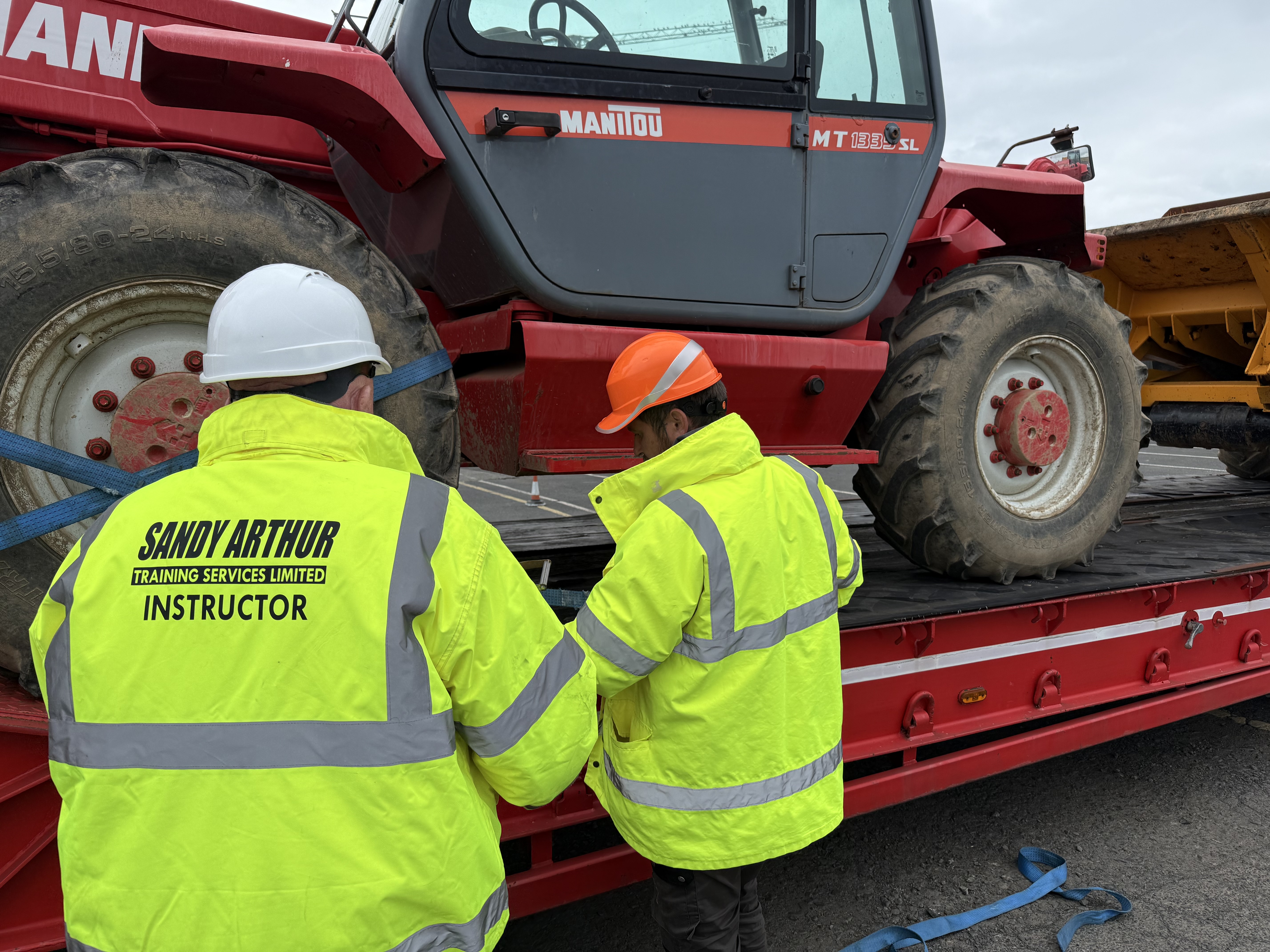
Planning plant training in advance is another key consideration. Leaving training until it becomes urgent can delay projects or result in untrained personnel being placed under pressure to operate machinery. By reviewing training records regularly and scheduling courses proactively, employers can avoid disruption and ensure compliance is maintained throughout the year.
In an industry where safety performance is increasingly linked to reputation, tender success and insurance costs, investment in plant training delivers real value. Well-trained operators contribute to smoother site operations, fewer incidents and a stronger safety culture overall.
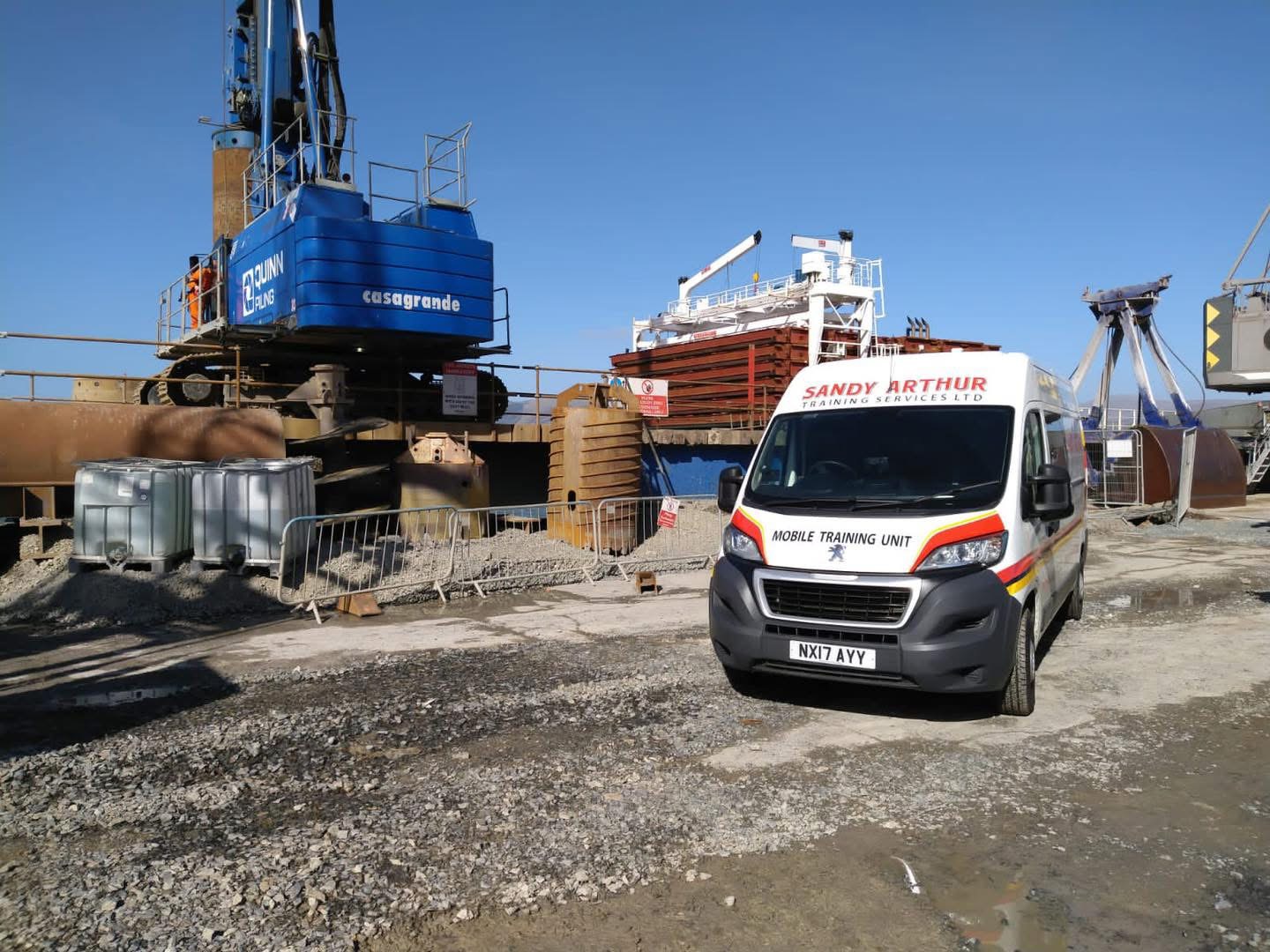
Sandy Arthur Training Services works with both employers and individual operators across Northern Ireland to deliver professional, compliant construction plant training. By focusing on quality instruction, recognised standards and real-world site awareness, we help ensure operators are competent, confident and ready to work safely in today’s demanding construction environment.
If you are responsible for plant operators or site safety, Sandy Arthur Training Services delivers CPCS and NPORS plant training across Northern Ireland. Contact our team today to discuss your site or operator requirements.