Why Construction Plant Training Matters in 2026
Jan 15, 2026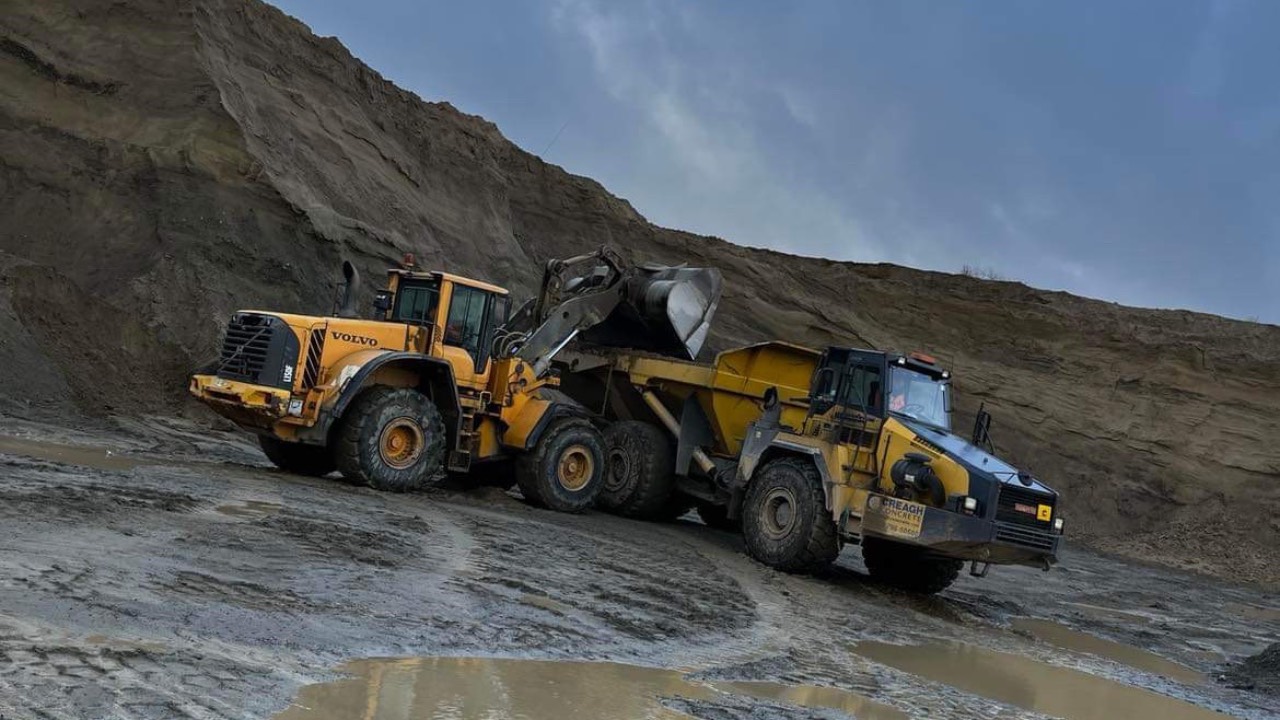
Construction sites are inherently busy, complex and high-risk working environments. With heavy plant, machinery and moving vehicles operating in close proximity to people and materials, ensuring every operator has the right training is essential for safety, productivity and legal compliance. Training in plant operations isn’t just good practice — it’s a key part of fulfilling an employer’s health and safety obligations under UK and Northern Ireland legislation, which requires employers to provide adequate training, supervision and safe systems of work for all activities involving plant and machinery. 
Over recent years the landscape of construction plant training has undergone significant updates, particularly with the introduction of new plant training standards and grant structures designed to improve the quality and consistency of training across the sector. Phase two of these standards came into effect in mid-2025, bringing clearer training requirements, defined course durations and trainer-to-learner ratios that training providers must meet for funding eligibility and quality assurance.
Most operators and employers in Great Britain are now expected to deliver plant training that aligns with these standards if they want to benefit from grant funding through the Construction Industry Training Board (CITB). These updated standards also apply whether operators pursue accreditation under the CPCS (Construction Plant Competence Scheme) or NPORS (National Plant Operators Registration Scheme), both of which remain widely recognised schemes for proving competence in plant operation.
What Modern Plant Training Looks Like
At its core, plant training equips operators with the competence to use machinery safely and effectively, covering both theoretical knowledge and hands-on practical skills. Approved courses under CPCS or NPORS include classroom learning on risk awareness and machine controls, followed by practical assessment on relevant plant equipment. This ensures that operators understand not only how to control the machine, but also how to identify hazards, conduct pre-use checks and respond to unexpected situations in a controlled way.
One important distinction in the current landscape is how training location and flexibility can differ between accreditation schemes. Under NPORS, training and assessment can often be delivered on site or at a training centre using familiar equipment, making it a flexible option for many employers and operators. CPCS, on the other hand, generally requires assessments at accredited test centres and is particularly recognised by larger contractors and on major infrastructure projects. Both routes are widely accepted within the industry, and the choice often depends on employer preferences and site requirements.
CITB also supports industry development through grant incentives for eligible courses, helping employers offset costs for training and testing. These grants are available for both novice and experienced operators across a range of plant categories when the training aligns with current standards and is delivered by approved providers.
The Safety and Legal Imperative
Training is more than a box-ticking exercise; it directly contributes to safer working environments and helps reduce incidents involving plant and machinery. Recent safety alerts from the Health and Safety Executive (HSE) highlight ongoing risks with plant equipment when controls are not used or isolated correctly — for example, unintended movements on excavators leading to serious injuries. Employers should use these alerts as opportunities to refresh workers’ knowledge and reinforce safe practices on site.
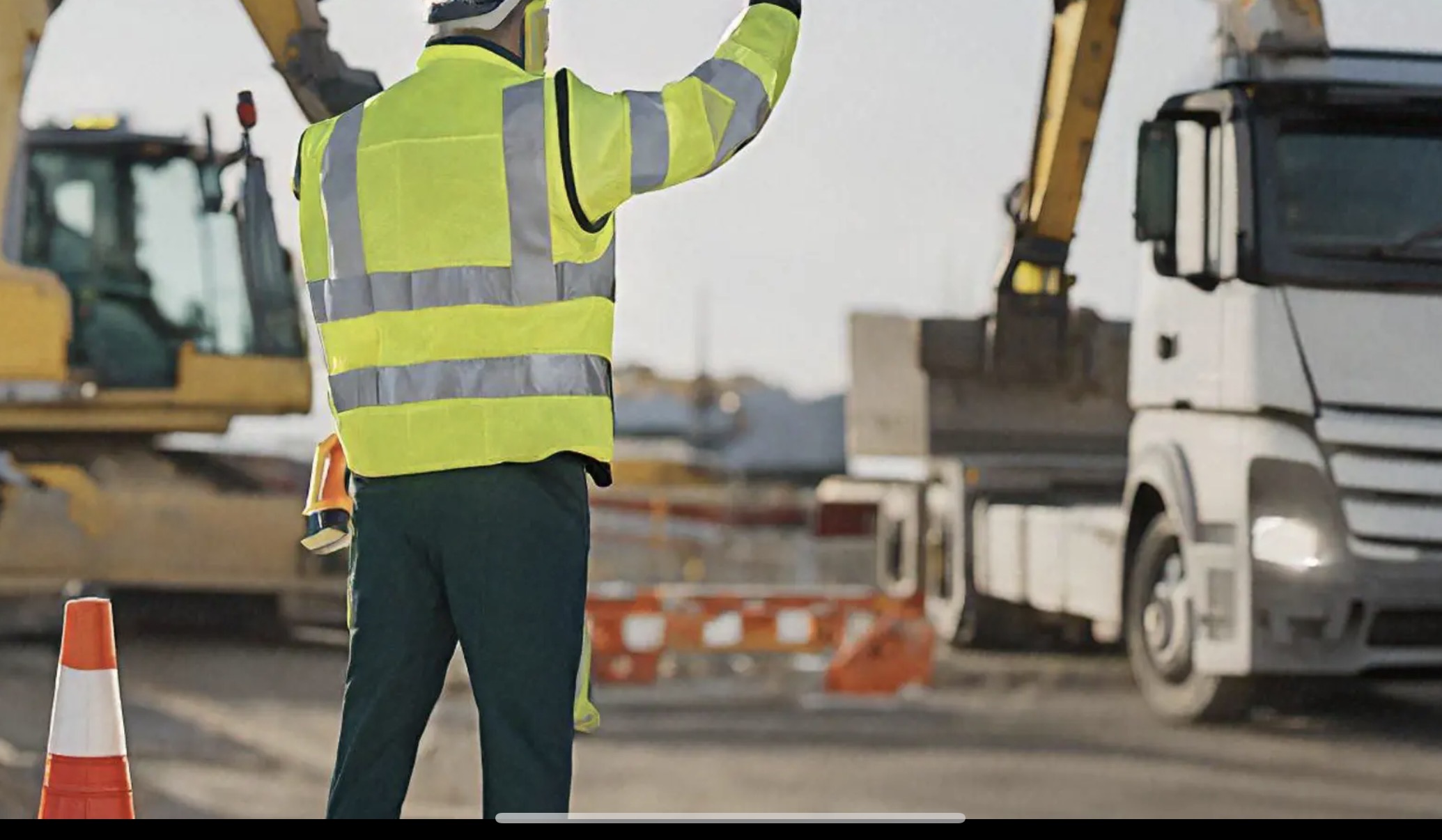
On a broader scale, construction sites must be managed in ways that protect both workers and the public. Effective plant training helps operators understand how to keep plant movements controlled and predictable, avoid unsafe areas and respect site boundaries — all of which reduce the likelihood of accidents affecting other personnel or members of the public near busy work zones. 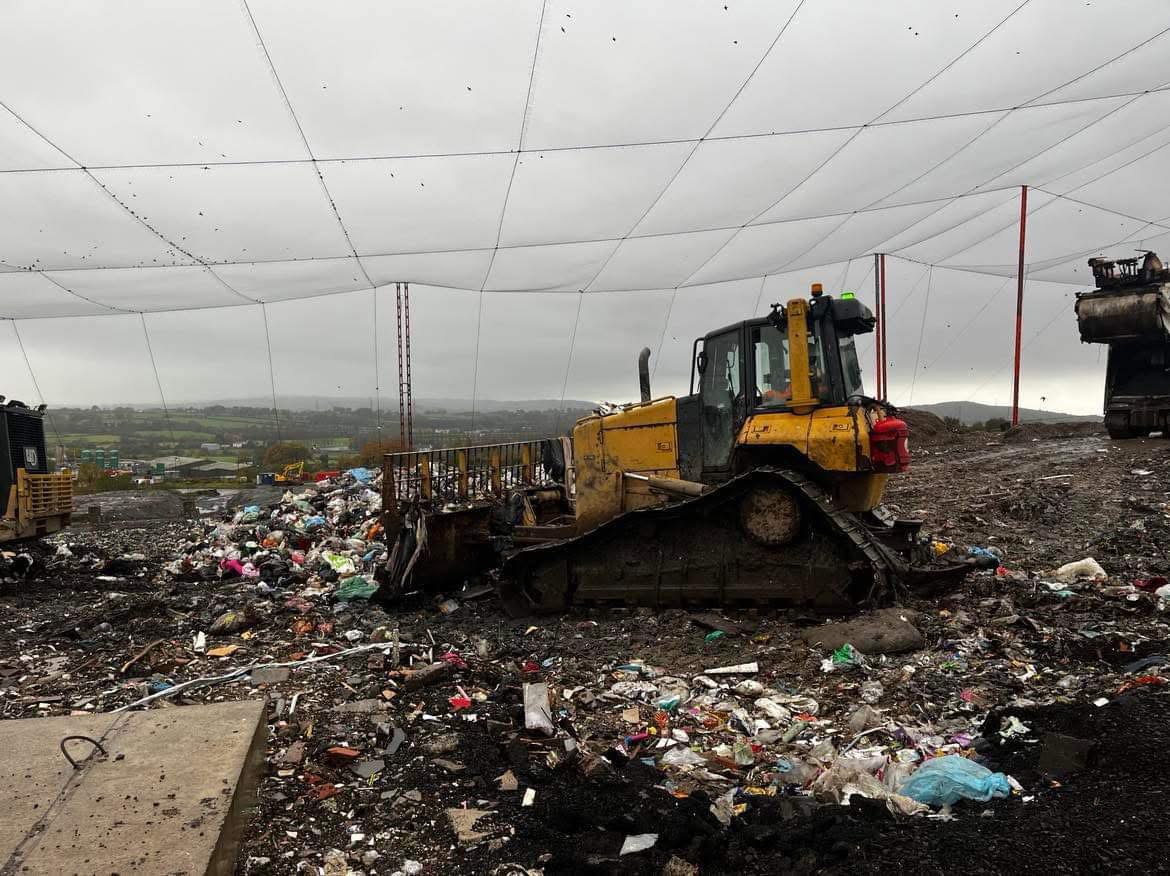
Beyond individual skill, employers must continue to meet their general health and safety obligations. In Northern Ireland, the Health and Safety at Work (NI) Order 1978 requires employers to ensure, so far as reasonably practicable, the health, safety and welfare of employees, which includes providing appropriate training and supervision in the use of plant and machinery.
Practical Tips for Employers and Operators
If you are planning plant training this year, start by identifying exactly which machinery and plant categories your team needs to operate safely. Confirm the accreditation route (CPCS, NPORS or both) that best suits your operational needs and site requirements. Work with a training provider that understands the latest CITB standards and grant criteria so you can maximise available funding and ensure compliance with quality benchmarks. Keep records of training and competency cards, and plan refresher training at regular intervals to maintain skills and compliance.
Conclusion
With updated standards and a stronger industry focus on safety and competency, construction plant training in 2026 is an essential investment, not just for compliance but for building a capable and confident workforce. Operators who train under recognised schemes like CPCS or NPORS are better prepared for site demands, while employers who prioritise structured training reduce risk and demonstrate leadership in health and safety.
Sandy Arthur Training Services is committed to helping both plant operators and employers meet these expectations with high-quality, current and compliant training solutions.
If you are responsible for plant operators or site safety, Sandy Arthur Training Services can help you meet current training standards with CPCS and NPORS plant training delivered by experienced instructors. Contact our team today to discuss your requirements.