What the Updated DVA Guide to Maintaining Roadworthiness Means for HGV/PCV Operators
Jan 23, 2026
What the Updated DVA Guide to Maintaining Roadworthiness Means for Operators
The Department for Infrastructure (DfI) has used its January 2026 newsletter to draw operators’ attention to significant updates issued by the Driver & Vehicle Agency (DVA) in relation to the Guide to Maintaining Roadworthiness.
While some of the changes take effect later in 2026, the message from DfI is clear: operators should be reviewing systems, contracts and inspection regimes now to ensure continued compliance and avoid unnecessary enforcement risk.
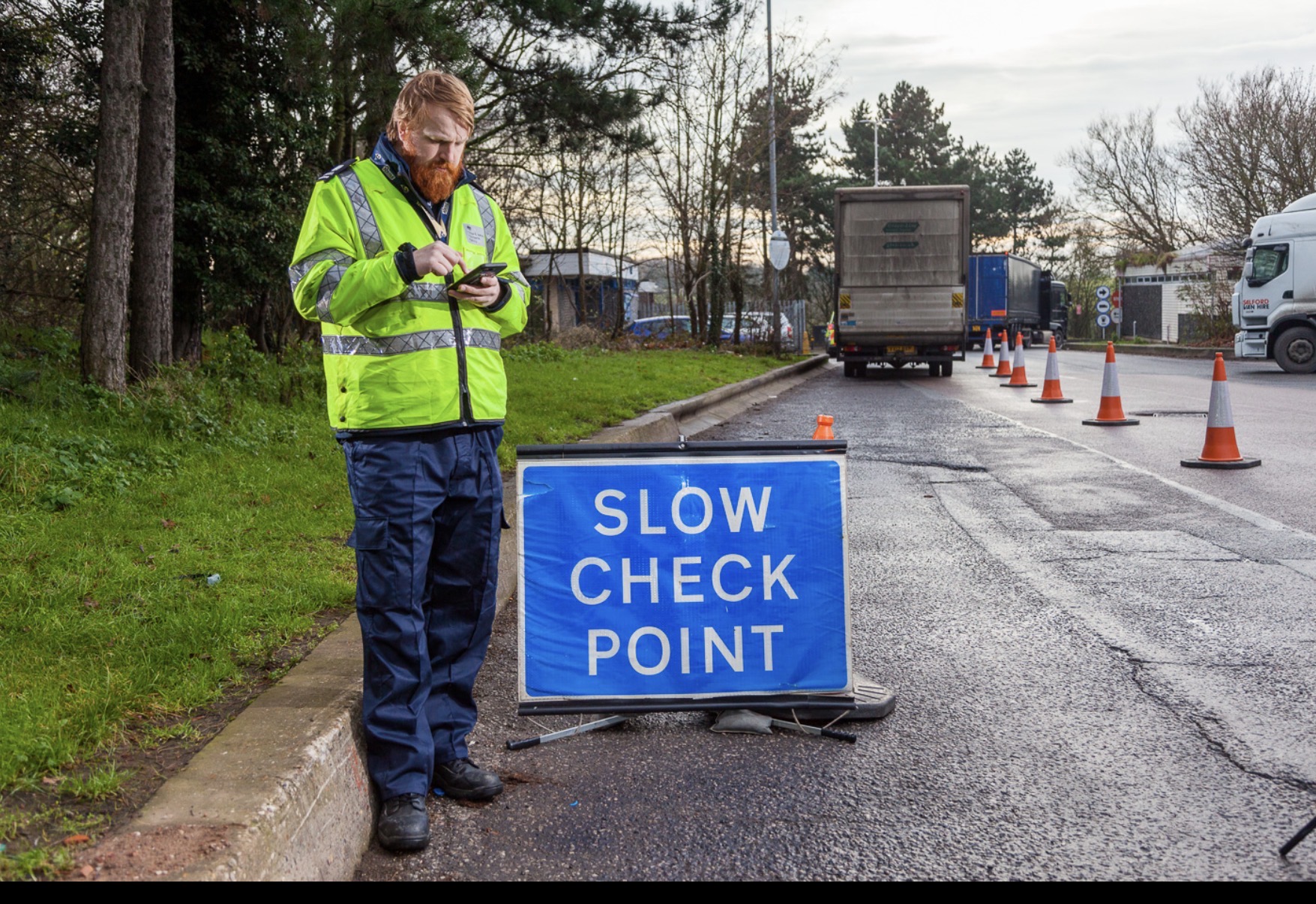
At Sandy Arthur Training Services, we work closely with fleet operators, transport managers and professional drivers across Northern Ireland, and this article outlines the key points highlighted by DfI and what they mean in practice.
A Stronger Focus on Braking Performance
One of the most notable updates flagged in the DfI newsletter is the enhanced emphasis on braking performance, with new requirements applying from September 2026.
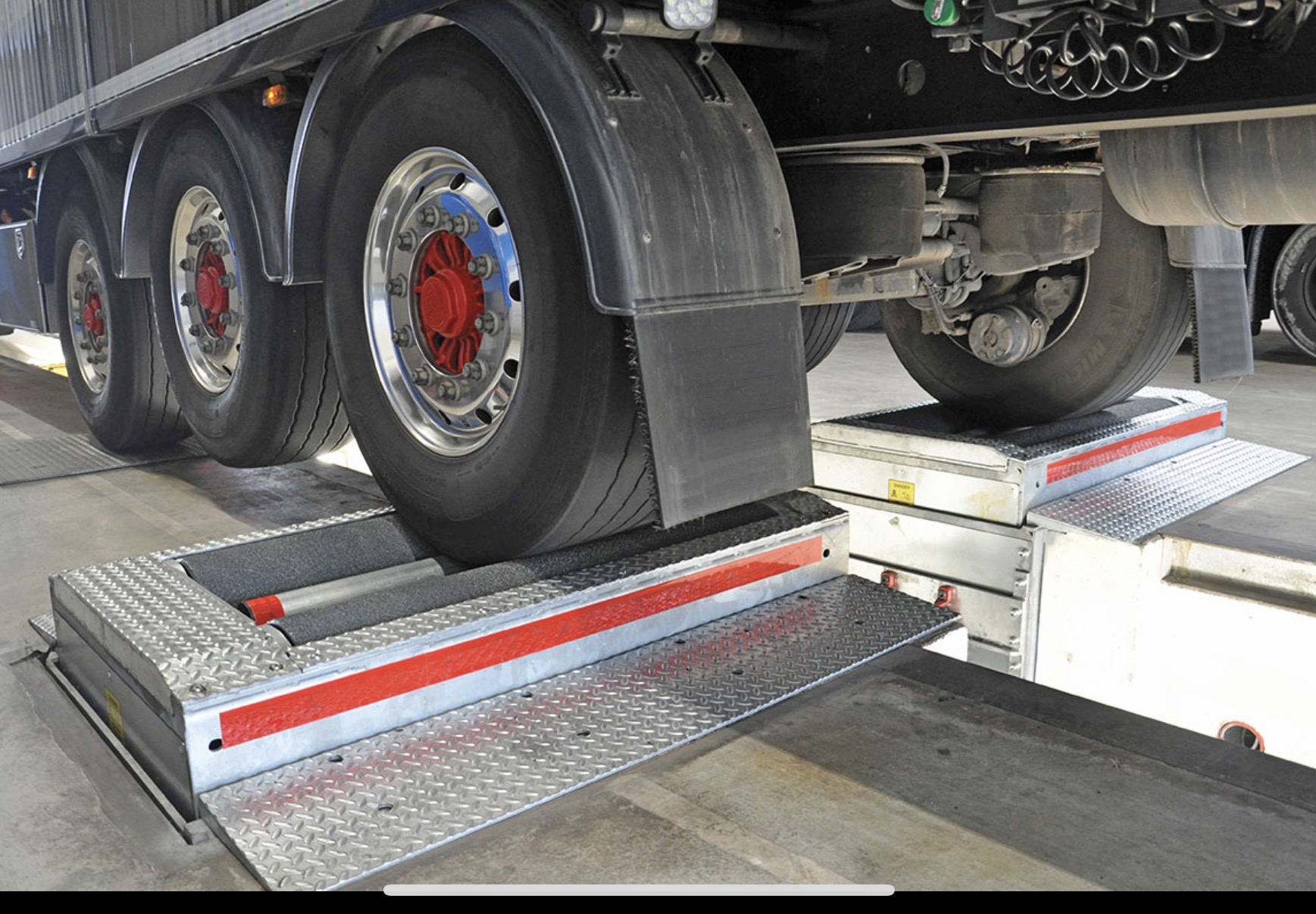
Going forward, every recorded safety inspection must include a formal brake performance assessment using one of the following methods:
• A laden roller brake test (RBT)
• An Electronic Braking Performance Monitoring System (EBPMS)
• A decelerometer, including temperature readings
Where a laden brake test cannot be carried out, operators must complete a documented risk assessment, which must then be retained for a minimum of 15 months.
DfI has stressed that these records must be readily available and defensible in the event of an inspection or investigation.
Digital Record-Keeping Is No Longer Optional
The January 2026 newsletter also reinforces the DVA’s expectation that operators are moving away from paper-based systems.
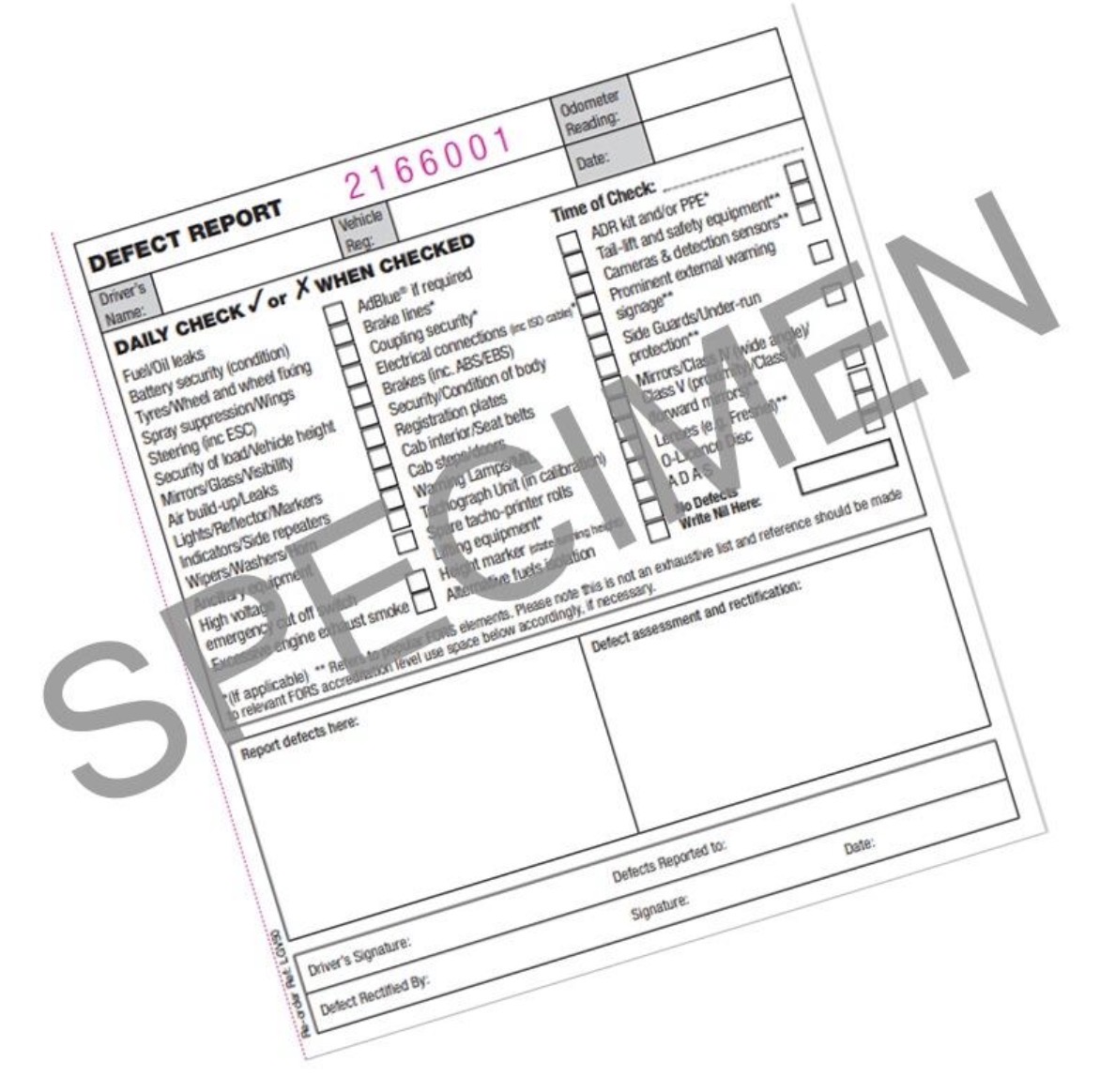
Electronic maintenance and record-keeping systems must now be:
• Tamper-proof, auditable and secure
• Capable of real-time access
• Able to support digital signatures and secure data backup
DfI highlights that systems should integrate:
• Driver defect reporting
• Safety inspection scheduling
• Fleet maintenance management
This is an area where many operators remain exposed, particularly where multiple systems are used without clear audit trails.
Updated Safety Inspection Intervals for Older Vehicles
Another key point raised by DfI is the updated guidance on inspection frequencies.
Vehicles aged 12 years and over must now operate on a minimum six-week safety inspection interval.
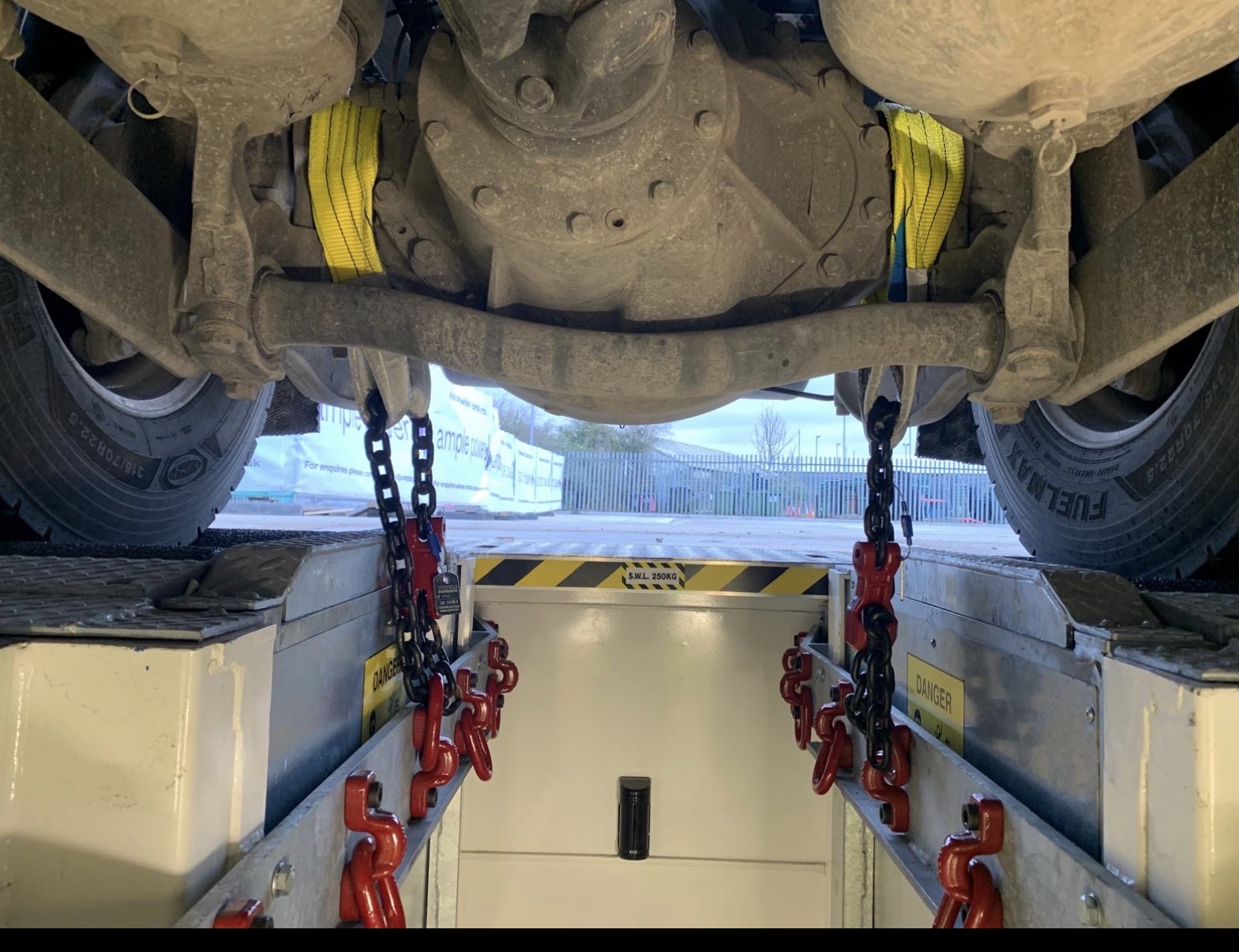
This reflects the increased risk profile of older vehicles and places greater responsibility on operators to demonstrate proactive maintenance planning.
Mixed-frequency inspection regimes are still permitted, but they must be clearly justified and properly documented.
Clearer Responsibilities for Trailers and Third-Party Equipment
DfI has also highlighted expanded guidance relating to trailers and third-party equipment, particularly for traction-only operators.
Operators must be able to access and produce:
• Safety inspection reports
• MOT certificates
• EBPMS reports (where applicable)
Written contracts must clearly define:
• Inspection responsibilities
• Defect reporting procedures
• Rectification processes
Importantly, the DfI newsletter reiterates that legal responsibility always remains with the operator, even where maintenance or inspections are outsourced.
Tyre Management Under Increased Scrutiny
The updated guidance reflects the existing ban on tyres over 10 years old on certain axles, but DfI has reinforced expectations around tyre management records.

Operators must now ensure that:
• Tyre age is known and recorded
• Pressures are regularly checked
• Tread depth monitoring is documented
Inadequate tyre records continue to be a common area of enforcement action during roadside and operator inspections.
Maintenance Contracts and Operator Responsibility
DfI has reminded operators that maintenance providers must meet recognised quality standards, such as IRTE accreditation, and that all maintenance contracts must be:
• Written
• Retained
• Reviewed regularly
Outsourcing maintenance does not transfer legal responsibility. Operators remain accountable for roadworthiness at all times.
Compliance Monitoring, OCRS and Environmental Standards
The newsletter also points to expanded guidance in relation to:
• Monitoring daily driver checks
• Understanding and managing OCRS (Operator Compliance Risk Score)
• Responding to safety recalls and PSV alterations

In addition, a new dedicated section on environmental and emissions standards covers:
• AdBlue monitoring
• Emission control system maintenance
• Alternative fuel vehicles
These areas are increasingly relevant during compliance audits.
New Guidance on ADAS Systems
For newer vehicles, DfI has highlighted the introduction of a new section covering Advanced Driver Assistance Systems (ADAS).
This includes expectations around:
• Maintenance and calibration
• Driver and technician awareness
• Fault reporting and record-keeping
ADAS faults left unmanaged can directly impact vehicle safety and compliance.
How Sandy Arthur Training Services Can Help
The DfI January 2026 newsletter makes it clear that enforcement expectations are rising, and operators are expected to understand and implement these changes in full.
At Sandy Arthur Training Services, we support operators through:
• Driver CPC training, including roadworthiness and defect reporting modules
• Transport manager and operator compliance awareness
• Practical guidance on inspections, records and legal responsibilities
If you are unsure whether your current systems meet the updated DVA guidance, now is the right time to review them.