New Tachograph Rules for Van Drivers in Northern Ireland – What Every Operator Needs to Know from 1 July 2026
Jul 05, 2026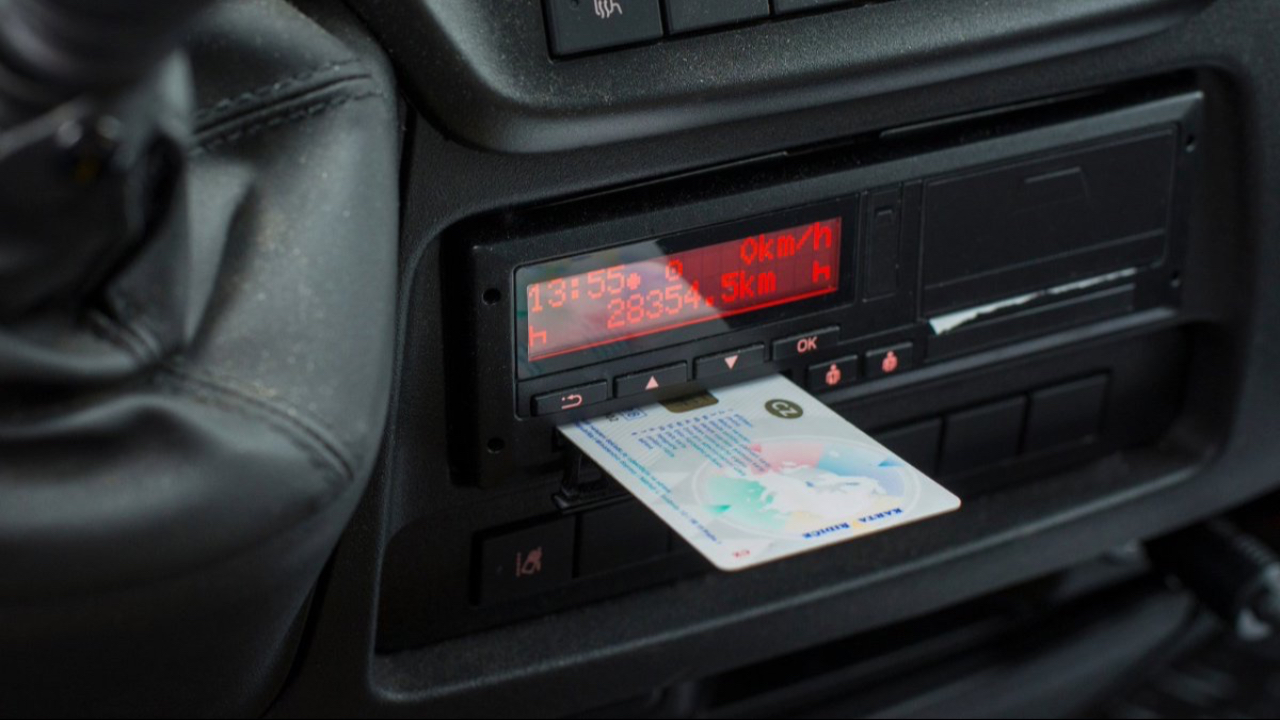
If you operate a commercial van in Northern Ireland, chances are you’ve heard about the new tachograph rules coming into force from 1 July 2026. Over the past few months we’ve spoken to a number of operators, tradespeople and business owners who are all asking the same question:
“Do these new rules affect me?”
The simple answer is possibly – but not necessarily.
Unfortunately, there is a lot of misinformation circulating online. Some articles suggest every commercial van over 2.5 tonnes now requires a tachograph, while others say the rules only apply to large transport companies. Neither is completely accurate.
For businesses across Derry-Londonderry, Limavady, Coleraine, Strabane and the wider North West, understanding these changes is particularly important because travelling into the Republic of Ireland is classed as an international journey.
This guide explains the new legislation in plain English, helping you understand whether your business may be affected and what you should do next.
Why are the rules changing?
The changes form part of the European Union’s Mobility Package, introduced to improve road safety, create fairer competition across the transport industry and ensure drivers undertaking commercial transport are complying with drivers’ hours legislation.
For many years, tachographs were generally associated with HGVs and coaches. However, the growth of international courier services and light commercial vehicle fleets meant many businesses transporting goods in larger vans were operating outside the same regulatory framework.
The new legislation extends certain requirements to goods vehicles with a Maximum Authorised Mass (MAM) exceeding 2.5 tonnes but not exceeding 3.5 tonnes when undertaking qualifying international transport operations.
For Northern Ireland businesses, that means travelling across the border into the Republic of Ireland could bring your vehicle within scope of the regulations.
The biggest myth – not every van needs a tachograph
Let’s clear up the biggest misunderstanding straight away.
Simply owning a van over 2.5 tonnes does not automatically mean you need a tachograph.
Several conditions must apply before the legislation becomes relevant.
The rules are aimed primarily at commercial transport operations undertaking international journeys. Whether your business falls within scope depends on factors including the weight of the vehicle, the type of work being carried out, who owns the goods being transported and whether an exemption applies.
This is why two businesses operating identical vans may find one requires a tachograph while the other does not.
Understanding Maximum Authorised Mass
One area that often causes confusion is vehicle weight.
The legislation refers to Maximum Authorised Mass, often shortened to MAM.
This is not the weight of your van on the day you drive it.
Instead, it is the maximum legal operating weight specified by the manufacturer and shown on the vehicle’s identification plate. It includes the vehicle itself, fuel, passengers, tools, equipment and any load being carried.
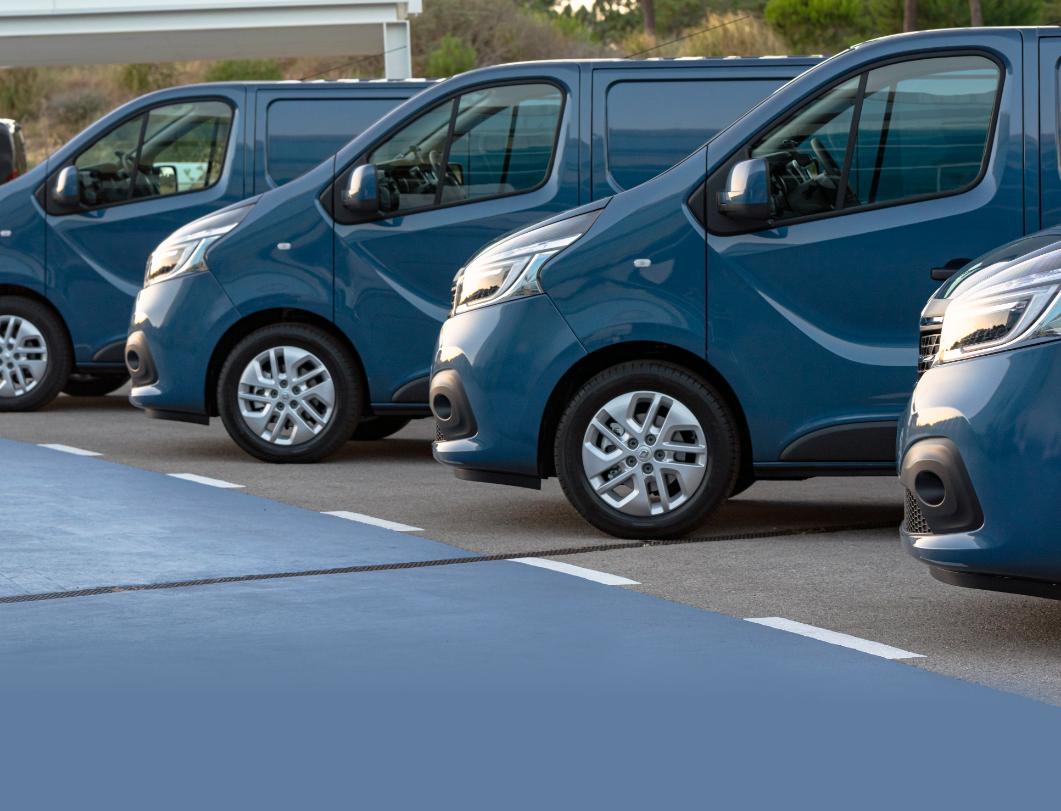
Many popular commercial vehicles such as the Mercedes Sprinter, Ford Transit, Volkswagen Crafter, Renault Master and Peugeot Boxer can fall within these weight categories depending on their specification.
If you’re towing a trailer, you should also ensure you understand how the regulations apply to your particular vehicle combination.
What counts as an international journey?
For businesses based in Northern Ireland this is one of the most important parts of the legislation.
Travelling between Northern Ireland and the Republic of Ireland is considered an international journey.
That means businesses making deliveries to Donegal, Dublin, Letterkenny, Monaghan or anywhere else in the Republic should carefully assess whether the new regulations apply to them.
Businesses operating solely within Northern Ireland, England, Scotland and Wales are not brought into scope of these particular changes simply because they drive a van over 2.5 tonnes.
Real-life examples
Let’s look at a few examples.
Courier company
A courier business based in Derry uses a 3-tonne Mercedes Sprinter delivering parcels to Dublin every weekday.
This type of operation is likely to fall within the new legislation. The vehicle will require a Smart Tachograph Version 2, while the driver will need to comply with EU drivers’ hours regulations.
Electrician
An electrician from Limavady drives to Letterkenny carrying tools needed to complete an installation.
Many businesses in this situation may qualify for the own-account exemption because they are transporting their own equipment and driving is not their principal occupation.
However, every business should assess its own operation carefully before assuming an exemption applies.
Furniture retailer
A furniture retailer delivers products sold by the business to customers in Donegal using a 3.5-tonne van.
Whether this falls within scope depends on how the transport operation is organised. Businesses should seek advice where they are unsure rather than relying on assumptions.
Local builder
A building contractor working only throughout Northern Ireland using a Ford Transit carrying tools and materials is not affected by these particular international tachograph changes.
What is the own-account exemption?
This is perhaps the most misunderstood area of the legislation.
The own-account exemption may apply where a business is transporting its own goods or equipment rather than carrying goods for someone else.
A typical example could be an engineer travelling to repair machinery while carrying their own tools.
However, there are conditions attached. Driving must not be the person’s principal activity and the transport must genuinely be for the business’s own account.
Because every business operates differently, it is important to assess your circumstances carefully before deciding whether an exemption applies.
Smart Tachograph Version 2
Where the legislation applies, operators must fit a Smart Tachograph Version 2, commonly known as G2V2.
This latest generation of tachograph offers significantly more functionality than previous systems.
It can automatically record international border crossings, use satellite positioning technology, support remote roadside enforcement checks and store additional operational data.
For enforcement agencies, this provides greater visibility of international transport operations while reducing opportunities for deliberate non-compliance.
Drivers’ hours explained
One of the biggest changes for newly affected operators is the requirement to comply with EU drivers’ hours legislation.
Drivers cannot simply drive until the job is finished.
Instead, they must observe legal limits designed to reduce fatigue and improve road safety.
These include:
- A normal daily driving limit of 9 hours, which can be increased to 10 hours twice in one week.
- A maximum of 56 hours driving in one week.
- No more than 90 hours driving across any two consecutive weeks.
- A 45-minute break after no more than 4½ hours of driving, although this may be split into a 15-minute break followed by a 30-minute break.
- Daily and weekly rest requirements.
- Correct use of a digital driver card and tachograph.
Understanding these rules is essential, particularly for businesses that have never previously operated under tachograph legislation.
Why compliance matters
Many operators assume tachographs exist simply to catch drivers out.
In reality, they are designed to improve safety.
Fatigue remains one of the biggest risks facing professional drivers. Long hours behind the wheel reduce concentration, increase reaction times and significantly raise the likelihood of collisions.
Good compliance also protects businesses.
Roadside prohibitions, delayed deliveries, financial penalties and damage to reputation can all result from poor understanding of the regulations.
Investing time in understanding the legislation is often far less expensive than dealing with the consequences of getting it wrong.
What should businesses do now?
If your business regularly travels between Northern Ireland and the Republic of Ireland using larger commercial vans, now is the time to review your operation.
Ask yourself:
- What is the Maximum Authorised Mass of each vehicle?
- Do we undertake international journeys?
- Are we transporting goods for customers?
- Does an exemption genuinely apply?
- Do we require a Smart Tachograph Version 2?
- Do our drivers understand EU drivers’ hours?
If you’re unsure, seek professional advice before assuming your business is exempt.
How Sandy Arthur Training Services can help
Understanding transport legislation can be challenging, particularly for businesses entering tachograph regulations for the first time.
At Sandy Arthur Training Services we provide practical, straightforward training designed to help operators understand drivers’ hours, tachograph regulations, vehicle compliance and Driver CPC requirements.
Rather than simply explaining the legislation, we help drivers and operators understand how the rules apply in real-life situations.
Our aim is to give businesses the confidence to remain compliant while keeping their operations running safely and efficiently.
As the new regulations begin to affect more operators across Northern Ireland, taking time now to understand your responsibilities could save significant disruption, unnecessary costs and enforcement action in the future.
If you’re unsure whether these new tachograph rules apply to your business, we’d be happy to point you in the right direction.